Building a SaaS Platform for 3D Fashion Collections
Updated: Jul 13
Today’s fashion brands navigate two constant pressures: reducing their environmental impact while staying relevant in an increasingly digital world. Traditional processes such as physical sampling and repeated photoshoots consume resources and no longer support sustainable growth. At the same time, stepping into virtual environments remains a technical challenge for many teams not used to digital tools.
This project explores how a SaaS platform can support that transition. We set out to create a tool that translates fashion collections into 3D with ease, connecting physical and digital worlds while reducing waste and lowering the barrier to entering virtual markets.

"Meticulous, responsive, and creative solutions that effectively communicate brand values and enhances user experience. With deep expertise in marketing, the team has a strong understanding of the market and consumer behaviour, allowing them to go beyond expectations and provide tailored strategies for every project. Their leadership and professionalism ensure a seamless and efficient process, making them a trusted partner in delivering high-quality results." – Mariana Flink, Co-founder at ONVERSED

The Challenge
Our research revealed a clear gap: fashion brands needed an intuitive way to create digital versions of their collections without becoming technical specialists. We defined three core requirements for the solution:
Offer an interface that non-technical users can navigate to create 3D garments and engage with virtual environments
Support sustainability goals by reducing reliance on physical samples
Integrate technologies such as VR, AR, blockchain, and social platforms to enable a broader digital presence
The Process
We developed the project within a startup environment with low UX maturity. Establishing strong design principles early helped us avoid rushed interface decisions and guide the product with clarity.
We followed a Design Thinking approach, staying flexible as the team, scope, and direction evolved.
Empathise
We started by listening. Through qualitative conversations with key stakeholders, we uncovered real needs and underlying frustrations. These discussions confirmed the industry’s growing interest in sustainable solutions while highlighting the barriers to adopting digital tools.
From there, we mapped user journeys such as Alicia’s, a fashion designer aware of digital opportunities but unsure how to begin. These journeys revealed friction points and opportunities to make each interaction feel more intuitive and supportive.

Define
With clear insights in place, we used user story mapping to break the platform into manageable features. This brought structure to the work, aligned teams, and ensured each decision responded to real user needs.

Ideate
Working closely with co-founders and collaborators including 3D designers and developers, we explored multiple directions.
We created low-fidelity wireframes in Balsamiq to move quickly. Their intentionally unfinished nature encouraged open feedback and made iteration feel easy and collaborative. These early concepts helped us shape key flows such as onboarding, 3D creation, account management, and support.

Prototype
First MVP with Bubble.io
We built the initial MVP using Bubble.io to validate the concept quickly. Our focus was simple: bring the idea to life and place it in front of real users as soon as possible.
We developed this version with a small team and presented it at events such as 4YFN, Transfiere, and The Digital Enterprise Show. These moments became valuable checkpoints, offering direct feedback and helping us refine the product.
While low-code enabled speed, it also introduced limitations. Rigid components and restricted flexibility made it clear that this approach would not support long-term scalability.
Second MVP with React and Material 3
With those insights, we transitioned to a second MVP built in React.
Before development, we validated the concept in Figma to reduce risk and avoid costly iterations. This approach reduced external development workload by around 30% and saved approximately €10,000.
We used Material 3 as a strong foundation, building from pre-designed components while maintaining consistency, accessibility, and efficiency. It supported a more cohesive experience across the platform while keeping development aligned with design.

Test
We embedded usability testing throughout the process. Each iteration responded to feedback, ensuring the platform evolved in line with real user behaviour.
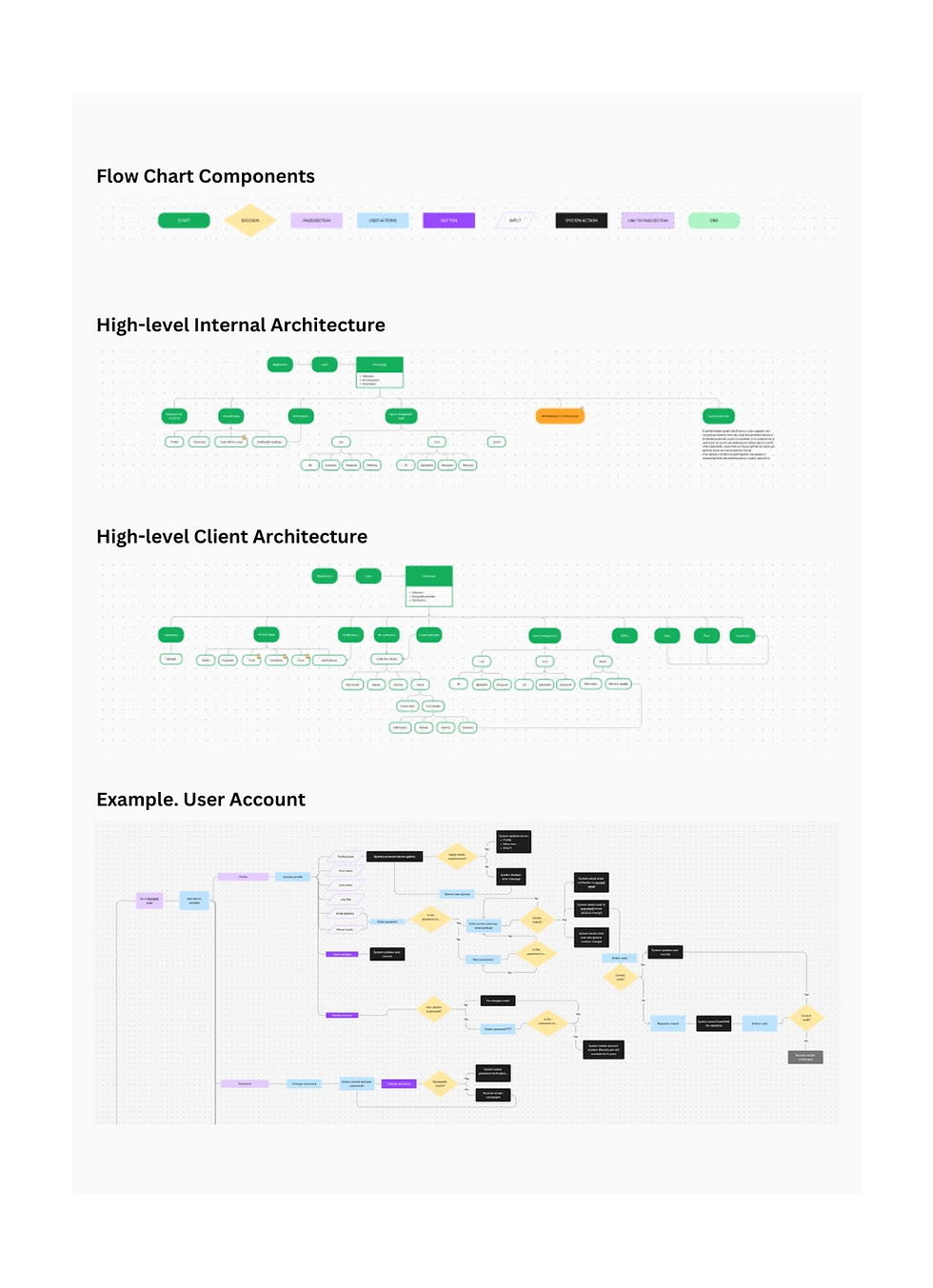
We also worked with information architecture diagrams to validate flows before applying visual design.
This helped ensure that every step felt logical and intuitive, aligning technical structure with the intended experience.
Aesthetic and Brand Evolution
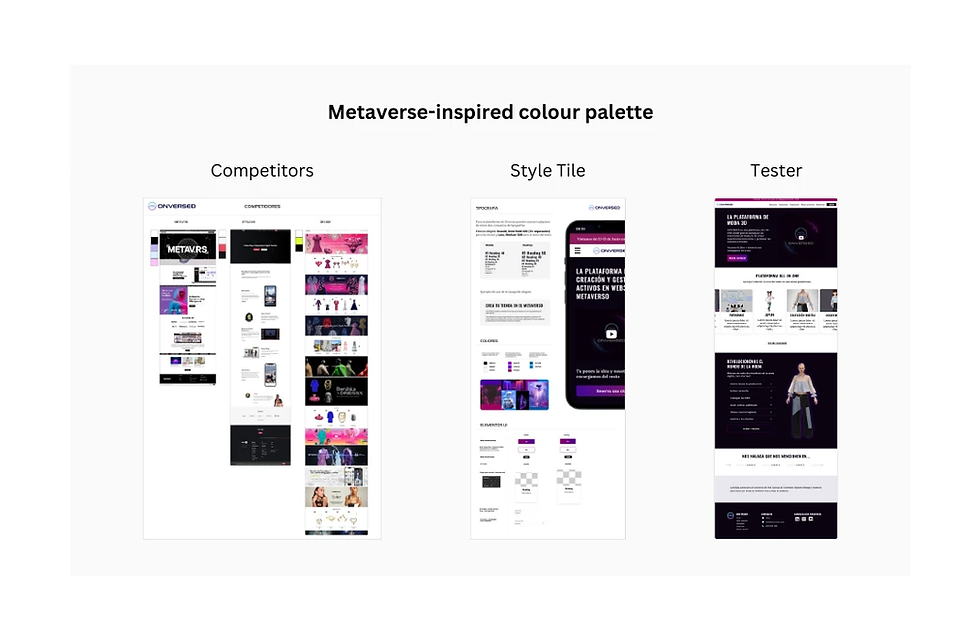
As the product matured, the original metaverse-inspired palette no longer reflected the audience or the direction of the brand. We shifted towards a more refined, luxury-neutral aesthetic.
Rebranding: From Metaverse to Refined Neutrality
The initial visual language leaned into bright, digital tones suited to an experimental vision. Over time, we recognised the need to reposition the platform towards a more sophisticated audience.
We introduced an updated palette with soft greys, muted blues, beige tones, and black. This created a calmer interface where the collections themselves could take centre stage. The result was a more focused, elegant experience aligned with values of care, clarity, and timelessness.

Material Design System as a Foundation
Material 3 supported this transition, combining visual refinement with functional clarity. The interface feels considered and elevated, while remaining practical, accessible, and ready to scale.

The Solution
The platform enables fashion designers and brands to transform their collections into 3D models without requiring technical expertise.
By reducing reliance on physical samples and traditional production processes, it supports more sustainable workflows while opening a clear path into virtual environments such as VR and AR.
The user journey demo became a key tool for communicating this value, helping investors and collaborators understand both the experience and the opportunity.
Learnings
Adaptability: Changes in leadership and team structure required flexibility while maintaining a clear design vision
Low-code platforms: Useful for rapid validation, but limiting when scalability and customisation become essential
User-centred design: Staying close to real user needs ensured the product remained relevant and meaningful
Exhibitions as feedback: Industry events provided valuable external perspective and validation
This project became an exercise in thoughtful innovation and adaptation. By addressing both sustainability and digital transformation, we created a bridge between where fashion is and where it is going.
The evolution across two MVPs reinforced the importance of flexibility, collaboration, and continuous iteration when shaping complex digital products. It also laid a strong foundation for future work that brings together business, design, and technology with care and intention.

Comments